
What Is A Line Of Credit?
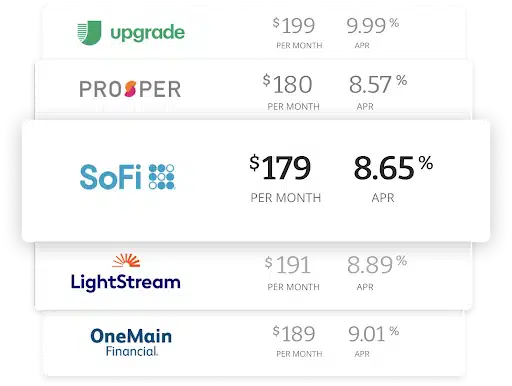
Compare monthly payment options from several lenders in under 2 minutes.


How LOCs Work and Compare to Loans
A line of credit is a useful financial tool that can be extremely useful in many different types of situations. A line of credit acts like a credit card, however, it most often comes with much lower interest rates and there typically is no fee to take out cash. A credit card often charges higher cash advance fees, a line of credit lets you go into a bank or visit an ATM and take out cash as you need. Additionally, you can transfer funds from your line of credit directly into your checking account, or sometimes write a check or use a debit card that pulls directly from your line of credit.
Learn More About What Is A Line Of Credit?
A personal line of credit is a type of credit line that is designed for consumers who have good or excellent credit. In most cases, a personal line of credit is unsecured. Therefore, if you do not want to borrow against your home or offer up another asset, a personal line of credit may be a good option.
Read more - FAQ
What is a line of credit?
There are three main lines of credit types.
Personal line of credit
Home equity line of credit
Business line of credit
Each of them acts the same, however, interest rates, terms, and purpose differ. The outlier is the business line of credit, which is obviously used for business purposes. The other two types, personal lines of credit and home equity lines of credit are more for consumer use. Both essentially are the same thing except a personal line of credit uses your credit score and income to determine your spending limit whereas a home equity line of credit draws from the equity you have built up in your home. A home equity line of credit typically comes with lower interest rates and higher limits, however, you are using your home as collateral to secure the credit line. A personal line of credit is unsecured and only your creditworthiness and income are needed to qualify.
What is a personal line of credit?
A personal line of credit is used just like a credit card, however, they are often harder to qualify for. They are harder to qualify for because they typically come with lower interest rates and zero fees to withdraw cash.
Similar to a credit card, a credit limit is set by the bank depending on your creditworthiness and income. You are allowed to spend as little or as much of that limit as you would like, and you are only charged interest on the amounts you draw.
Personal lines of credit are ideal for people who are self-employed, freelancers, or anyone who is needing to make many cash payments over a period of time but they do not know the exact amounts. For example, if you are doing a do-it-yourself kitchen renovation over the course of a few months, a personal line of credit gives you the freedom to draw what you need to pay for labor, materials, and other expenses as they occur and make payments on those draws as the project progresses.
Unsecured line of credit – pros & cons
Personal lines of credit are powerful financial tools that can give you the cash you need, when you need it, and potentially save you money over time. That being said, there are still some disadvantages that should be discussed right alongside the advantages. Here are some of the pros and cons of an unsecured line of credit.
Pros:
No collateral needed: A personal line of credit is unsecured, therefore, you are never in jeopardy of losing your home or another asset if you should be unable to make your payments.
Only pay on draws made: The limit of personal line of credit sits there, and unless you make a draw on the line, you pay no interest.
Better interest rates: Credit cards tend to have much higher interest rates than personal lines of credit.
Cons:
Harder to qualify for: Because personal lines of credit are unsecured and they have lower interest rates, you may need to have a very good or excellent credit score to qualify.
Interest is not tax-deductible: When you take out a home equity line of credit, any interest you pay on drawn money can be written off on your taxes.
What is a consumer line of credit?
A consumer line of credit is just another phrase used to describe a personal line of credit. A sum of money you qualify for that you are allowed to draw against for a predetermined period of time.
How to qualify for a personal line of credit?
If you are looking to qualify for a personal line of credit, you may want to make sure you have a credit score in the good or excellent credit range. You should also make sure you can cover the payments and be able to prove that to the lender. Once you are ready, you can shop rates and offers to determine which lender(s) you want to apply with. You can either qualify for a line of credit through your bank, credit union, or through an online lender. Lenders can have their unique set of qualification requirements that they may be able to share with you prior to applying.
Is it worth getting a line of credit?
There are plenty of reasons, including lower interest rates, why you would want a line of credit. Personal lines of credit offer more flexibility to make cash draws to help pay for expenses that a credit card could not. If you are getting married, taking out a personal line of credit to pay for wedding expenses as they arise may be a very savvy way to finance a wedding.
Do lines of credit affect credit score?
Yes, lines of credit can affect your credit score. It can either affect your credit score poorly or positively. If you rack up a large amount of debt on your line of credit and then fail to make the payments and eventually the account closes, that could have severe negative consequences. If you use your line of credit but continuously are paying down the balance and making your payments on time, then that can affect your credit score positively. Additionally, a personal line of credit adds to your overall amount of available credit, and if you keep the balance low, it can keep your debt utilization low, which is good for your credit score.
Can you withdraw cash from the line of credit?
Yes, not only can you withdraw cash from your personal line of credit at a branch or from an ATM, there are typically zero fees to do so. This is one of the main reasons people choose a line of credit versus a credit card.
Can I use a line of credit for a down payment?
If you are looking to use a home equity line of credit to make a down payment on a home, then you are in luck. Most mortgage lenders may not have a problem with someone using a HELOC to fund a down payment on a second home. When it comes to personal lines of credit, then it is a different story. Each lender is different, however, it is typically frowned upon to use personal loans or personal lines of credit to make a down payment on a new home.
How long does a line of credit last?
If the line of credit is a home equity line of credit, then the draw period typically lasts up to 10-years. Personal lines of credit can vary and can typically stay open as long as the borrower and bank agree to keep it open.
What credit score is needed for a line of credit?
Ideally, you should have a credit score in the good to the excellent range to qualify for a personal line of credit. A credit score of at least 690 may be a safe bet to help a borrower qualify for a personal line of credit.
$10000 Loan Calculator
Find the loan you're looking for
We’ve helped over a million customers, and we’re just getting started

 verified
 verified
verified
verified
verified
verified
verified
verified
verified
verified
verified
verified
verified
verified
verified
verified
verified
verified
verified
verified
verified
verified
verified
verified
verified
verified
verified
verified
verified
verified
verified
verified
verified
verified
verified
verified

What can I do with a $10,000 personal loan?
Still have questions?
A personal line of credit is a type of credit line that is designed for consumers who have good or excellent credit. In most cases, a personal line of credit is unsecured. Therefore, if you do not want to borrow against your home or offer up another asset, a personal line of credit may be a good option.
What is a line of credit?
There are three main lines of credit types.
Personal line of credit
Home equity line of credit
Business line of credit
Each of them acts the same, however, interest rates, terms, and purpose differ. The outlier is the business line of credit, which is obviously used for business purposes. The other two types, personal lines of credit and home equity lines of credit are more for consumer use. Both essentially are the same thing except a personal line of credit uses your credit score and income to determine your spending limit whereas a home equity line of credit draws from the equity you have built up in your home. A home equity line of credit typically comes with lower interest rates and higher limits, however, you are using your home as collateral to secure the credit line. A personal line of credit is unsecured and only your creditworthiness and income are needed to qualify.
What is a personal line of credit?
A personal line of credit is used just like a credit card, however, they are often harder to qualify for. They are harder to qualify for because they typically come with lower interest rates and zero fees to withdraw cash.
Similar to a credit card, a credit limit is set by the bank depending on your creditworthiness and income. You are allowed to spend as little or as much of that limit as you would like, and you are only charged interest on the amounts you draw.
Personal lines of credit are ideal for people who are self-employed, freelancers, or anyone who is needing to make many cash payments over a period of time but they do not know the exact amounts. For example, if you are doing a do-it-yourself kitchen renovation over the course of a few months, a personal line of credit gives you the freedom to draw what you need to pay for labor, materials, and other expenses as they occur and make payments on those draws as the project progresses.
What is a consumer line of credit?
A consumer line of credit is just another phrase used to describe a personal line of credit. A sum of money you qualify for that you are allowed to draw against for a predetermined period of time.
How to qualify for a personal line of credit?
If you are looking to qualify for a personal line of credit, you may want to make sure you have a credit score in the good or excellent credit range. You should also make sure you can cover the payments and be able to prove that to the lender. Once you are ready, you can shop rates and offers to determine which lender(s) you want to apply with. You can either qualify for a line of credit through your bank, credit union, or through an online lender. Lenders can have their unique set of qualification requirements that they may be able to share with you prior to applying.
Is it worth getting a line of credit?
There are plenty of reasons, including lower interest rates, why you would want a line of credit. Personal lines of credit offer more flexibility to make cash draws to help pay for expenses that a credit card could not. If you are getting married, taking out a personal line of credit to pay for wedding expenses as they arise may be a very savvy way to finance a wedding.
Do lines of credit affect credit score?
Yes, lines of credit can affect your credit score. It can either affect your credit score poorly or positively. If you rack up a large amount of debt on your line of credit and then fail to make the payments and eventually the account closes, that could have severe negative consequences. If you use your line of credit but continuously are paying down the balance and making your payments on time, then that can affect your credit score positively. Additionally, a personal line of credit adds to your overall amount of available credit, and if you keep the balance low, it can keep your debt utilization low, which is good for your credit score.
Can you withdraw cash from the line of credit?
Yes, not only can you withdraw cash from your personal line of credit at a branch or from an ATM, there are typically zero fees to do so. This is one of the main reasons people choose a line of credit versus a credit card.
Can I use a line of credit for a down payment?
If you are looking to use a home equity line of credit to make a down payment on a home, then you are in luck. Most mortgage lenders may not have a problem with someone using a HELOC to fund a down payment on a second home. When it comes to personal lines of credit, then it is a different story. Each lender is different, however, it is typically frowned upon to use personal loans or personal lines of credit to make a down payment on a new home.
How long does a line of credit last?
If the line of credit is a home equity line of credit, then the draw period typically lasts up to 10-years. Personal lines of credit can vary and can typically stay open as long as the borrower and bank agree to keep it open.
What credit score is needed for a line of credit?
Ideally, you should have a credit score in the good to the excellent range to qualify for a personal line of credit. A credit score of at least 690 may be a safe bet to help a borrower qualify for a personal line of credit.
One home, endless possibilities