
Best Personal Loans for Chapter 7 & 13 Discharged Bankruptcies - No Hard Credit Check
Improvement: Get personalized personal loan offers after a bankruptcy discharge in 60 seconds without affecting your credit score.


Personal Loans After Bankruptcy: Chapter 7 & Chapter 13
Finding the right personal loan after bankruptcy can be challenging but not impossible. So how do you increase your chances of qualifying? With Acorn Finance, you can check for options from multiple lenders and compare personal loans for after bankruptcy.
$10000 Loan Calculator
Find the loan you're looking for
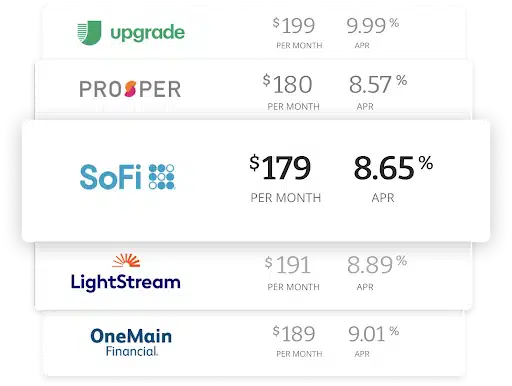
We’ve helped over a million customers, and we’re just getting started

 verified
verified
verified
verified
verified
verified
verified
verified
verified
verified
verified
verified
verified
verified
verified
verified
verified
verified
verified
 verified
verified
verified
verified
verified
verified
verified
verified
verified
verified
verified
verified
verified
verified
verified
verified
verified

What can I do with a $10,000 personal loan?
Still have questions?
Learn More About Best Loans for Discharged Bankruptcies
Keep reading to learn more information about bankruptcies, personal loans, and getting a personal loan after going through bankruptcy.
How long after Chapter 7 Can I get a personal loan?
In some cases, you can secure a personal loan after completing the bankruptcy process. However, qualifying for a personal loan with a low interest rate after bankruptcy could be challenging.
Some lenders specialize in personal loans for people with credit challenges. This means that they may be more likely to pre-qualify you for a personal loan after bankruptcy.
Acorn Finance can help connect you to multiple lenders that may be able to help you. Their secure platform allows you to submit one application that will not affect your credit.
How many years after bankruptcy can you get a loan?
Bankruptcy stays on your credit for 10 years. This means that lenders will be able to see it on your credit report. Some lenders may charge higher interest rates because of the bankruptcy even if you filed years prior.
You may have a better chance of approval for a loan 1-2 years after your bankruptcy when dealing with a bank or online lender.
What happens if you declare bankruptcy?
Declaring bankruptcy allows you to take a time out and work with a court to pay down a portion of your debts over time or have some of them eliminated entirely.
As soon as you file, a bankruptcy grants an automatic stay, which is a block on your debt to keep creditors from trying to collect. They are not allowed to deduct money from your bank account, garnish your wages, or go after any of your other assets. With this automatic stay, you will be given time to work with the court and your creditors to figure out your next steps.
Whether or not you will have to sell any of your assets depends on whether you file Chapter 7 or Chapter 13 bankruptcy.
Chapter 7 bankruptcy may require you to sell off some of your assets and take care of at least a portion of your debt. State laws determine which assets are untouchable. For example, your retirement accounts, your home, and one personal vehicle could be exempt. You need to check with your state to confirm what property is exempt and if you are ever declaring bankruptcy, you should always seek your own qualified legal counsel.
Chapter 13 bankruptcy will not require you to sell any assets and instead, your debts will be reorganized by the court and you will have to pay the debts either in full or partially over the span of 3 to 5 years.
What is the downside of filing for bankruptcy?
Filing for bankruptcy is a big decision that will have a lasting impact on your credit report. As there are many benefits to declaring bankruptcy, including having a fresh start, there are also many downsides you should be aware of before making a final decision.
Some of the long term effects of bankruptcy include that the bankruptcy will appear on your credit report for up to 10 years.
Short term, you will not be able to get a mortgage or car loan immediately after declaring bankruptcy. Once you can qualify for a mortgage or a car loan, you will most likely pay higher interest rates and higher fees.
Another long term effect you may experience is once you declare bankruptcy, you are barred from declaring bankruptcy again for several years.
One last thing to note is certain debts do not go away after filing for bankruptcy. Those debts include student loans, tax debt, child support, and alimony.
What happens when your bankruptcy is discharged?
A bankruptcy discharge releases the debtor from personal liability for certain types of debts. Once the debt is discharged, you are no longer legally obligated to pay that debt.
The discharge is a permanent order prohibiting the creditor from taking any form of collection action on the debt and the creditor is no longer allowed to contact the debtor in any way.
How do I restart after bankruptcy?
Once your bankruptcy has been discharged, you can begin the process of rebuilding your finances. The first thing you can do is to get together a sum of money to open a new checking and savings account.
The next thing you could do is to get a secured credit card. A secured credit card works just like a debit card, however, the credit card will report your payments to credit reporting agencies. This may help to begin to raise your credit score.
Once you have a secured credit card for a few months, you should be able to qualify for a department store or gas station credit card. Try to pay off the entire balance of your credit card each month to continue to build your credit score.
Continue to pay all your bills on time and do not buy anything you cannot afford.
Can you rebuild your credit after bankruptcy?
Yes, rebuilding your credit is possible after declaring bankruptcy. It is not an easy road, however. You will need to take steps like getting a secured credit card to demonstrate you can make payments on time. It is also recommended that you limit your spending down to bare essentials at this time and save as much money as you can.
Once you have 6 months under your belt of making payments on your secured credit card, you can consider applying for a normal credit card or a car loan. Never miss a payment and only purchase what you can afford. Do this for 24 months straight and you might be able to consider looking at mortgages.
How long after filing bankruptcy does your credit improve?
Improving your credit after a bankruptcy filing is not an easy task, however, depending on your situation you could start seeing a small improvement anywhere from one or two months to at least a year. If you are able to obtain a secured credit card immediately after filing for bankruptcy, you may want to consider doing so to begin building your credit by making all your payments on time and in full. A secured credit card works kind of like a debit card where you only spend the money that you have available in the account. Each month you will send the credit card company a predetermined amount that you are free to use wherever you make regular purchases. Once the amount is depleted, you will have no additional money to spend. The next month, you will then send the credit card company the same amount of money, and again you are free to spend it. Each month you replenish your credit card amount, the credit card company will notify the credit reporting agencies of your successful and on-time payments. It is a slow process, but if you can begin to do this immediately after your bankruptcy is finalized, you may begin to see small incremental improvements in your credit.
Can you get a personal loan after bankruptcy with bad credit?
If you are looking to obtain a personal loan after you have a bankruptcy filing on your credit report, it can be extremely difficult but it is not impossible. If you have filed for Chapter 13 bankruptcy, your chances might be a little greater than filing for Chapter 7, however, either way you may have to have a bit of a cooling off period before any lenders will seriously consider your loan application.
If you begin the credit repair process immediately after your bankruptcy is finalized, you may be able to begin to see incremental increases in your credit score each month. By continuing to maintain on time payments to a secured credit card or a credit-building loan, you may be able to raise your score up high enough to be considered for a personal loan. Either way, you may need to wait some time before you are able to be considered. You also may need to seek permission from the court to apply for a new line of credit if you are in the process of a Chapter 13 bankruptcy repayment plan.
Is it possible to get guaranteed approval for a personal loan after bankruptcy?
Getting a personal loan after bankruptcy isn’t guaranteed, but Acorn Finance allows you to explore loan offers without damaging your credit. A co-signer may also help you get approved.
Can I get a personal loan if I have bad credit and a bankruptcy on my record?
Yes, it’s possible to qualify for a personal loan even with bad credit and a bankruptcy on your record—though it may be more difficult. Most lenders require some time to pass after the bankruptcy discharge before approving new credit. They may also look for other signs of financial stability, such as steady income or a low debt-to-income ratio.
Chapter 7 bankruptcies remain on your credit report for 10 years, while Chapter 13 typically stays for 7 years. The impact of bankruptcy lessens over time, especially if you continue to build good credit habits like making on-time payments and keeping credit utilization low. Rebuilding your credit gradually can improve your chances of qualifying for better loan offers in the future.
Are there loans for bankruptcies with no hard credit check?
Yes, no hard credit check loans do exist and may be accessible even after a bankruptcy—but there are important considerations:
- High fees and interest – These loans are risky for lenders, so they often come with steep costs.
- Low loan amounts – Due to the risk involved, loan amounts are typically small.
- Short repayment periods – Many no hard credit check loans must be repaid quickly, often within weeks or months.
- No credit reporting – These loans usually aren’t reported to major credit bureaus, so they don’t help rebuild your credit.
- Collateral may be required – Especially for larger loan amounts, you may need to offer collateral such as a vehicle or valuables.
While no hard credit check loans can provide short-term relief, it’s worth comparing them with other bad credit loan options that do report to credit bureaus, offering a path to credit recovery.
How can I qualify for a bad credit bankruptcy personal loan?
Qualifying for a personal loan after bankruptcy and with bad credit can be challenging—but not impossible. The key is finding the right lender. Online lending platforms like Acorn Finance make it simpler by letting you compare offers from multiple lenders with a single form and no impact on your credit score.
If you receive a qualifying offer, you can move forward with the lender directly. If not, consider checking with local banks or credit unions. In the meantime, improving your credit score, building positive payment history, and reducing existing debt can help increase your chances of approval in the future.
Do I need to have a co-signer to get a loan for bad credit and bankruptcy?
A co-signer isn’t always required—but having one with strong credit can significantly increase your chances of approval and may help you qualify for better offers. Lenders see co-signers as added security, especially when your credit is damaged by bankruptcy. That said, some lenders specialize in bad credit loans and may approve you without a co-signer, depending on your income, debt-to-income ratio, and how much time has passed since the bankruptcy. Comparing lenders can help you find the best fit for your situation.
How can I improve my chances of getting approved for a loan with bad credit and bankruptcy?
To improve your chances of approval, focus on strengthening other areas of your financial profile. Here are a few key steps:
- Wait until your bankruptcy is discharged – Most lenders won’t consider your application until the bankruptcy process is complete.
- Build steady income – Reliable, verifiable income shows lenders you have the means to repay the loan.
- Take steps to boost your credit score – Pay down existing debts, avoid missed payments, and correct any errors on your credit report.
- Add a co-signer – A co-signer with strong credit can improve your chances of approval and help secure better loan offers.
- Compare lenders – Use online platforms like Acorn Finance to check multiple loan offers with no impact on your credit score.
Every small step counts. With patience and consistent effort, you can rebuild your financial standing and improve your access to better loan options over time.
How do loans for bad credit and bankruptcies affect my credit score?
Bankruptcies can have a major negative impact on your credit score and remain on your credit report for up to 7–10 years. Rebuilding takes time, but it is possible with consistent effort.
Loans for bad credit can help you begin that rebuilding process. While they may come with higher interest rates or fees, using them responsibly—especially by making on-time payments—can gradually improve your score. You may see a small dip initially when the loan is opened due to a hard credit inquiry and increased debt, but positive repayment history over time can help raise your score.
Can I get a same-day personal loan after bankruptcy?
Yes, same-day approval for a personal loan after bankruptcy is possible, especially once your discharge is finalized. While traditional banks may take longer to review your history, many online lenders use automated systems to provide instant decisions. To maximize your speed, apply early on a business day and have your discharge papers and income verification ready. If approved before the daily cutoff, some lenders can initiate a transfer the same day,
When should I consider bankruptcy?
Bankruptcies are designed to assist people drowning in debt to get a fresh start and wipe their slate clean. However, before committing to filing a bankruptcy you should consider the positives and negatives.
Depending on your situation, you can either file chapter 7 or chapter 13 bankruptcy. In order to be eligible for chapter 7 bankruptcy you must be able to prove that you truly do not have the means to repay your debt. If you qualify, most of your debts should be forgiven after the bankruptcy.
In order to be eligible for chapter 13 bankruptcy you need to prove that your disposable income is significant enough to repay debt using a reasonable repayment plan.
How fast can I raise my credit score after chapter 7?
While chapter 7 can provide relief and leave you debt-free it will remain on your credit report for at least 10 years. Over time its impact can fade, but in the first 10 years it’s important you do everything you can to restore your credit to the best of your ability.
Since lenders may be hesitant to lend you money you may need to get creative using secured loans or co-signed loans to start rebuilding your credit.
How many points does your credit score go up when a bankruptcy comes off?
Despite what you may think, your credit score can actually drop after your bankruptcy comes off. Post bankruptcy removal you can be grouped with others who have not filed for bankruptcy causing your credit score to go down.
The sooner and more you start rebuilding your credit after the bankruptcy, the less it should drop once the bankruptcy is removed.
See Also
- Loans for the Unemployed with Bad Credit
- Personal Loans for Unemployed
- Loans With No Bank Account
- Personal Loans For Gig Workers
- Loans For Pensioners
- No Checking Account Loans
- Debt Relief Services
- Personal Loans for Bad Credit
- Hardship Loans for Bad Credit
- Income-Based Loans
- Loans With a Cosigner
- Emergency Loans for Bad Credit
- Collateral Loans
- Personal Loans After Bankruptcy
- Personal Loan Pre-Approvals
- Bad Credit Loans With a Cosigner
- Same-Day Personal Loans
- No Income Verification Loans
- Online Signature Loans for Bad Credit
- Subprime Personal Loans
- Low-Income Loans
- Installment Loans for Bad Credit
- Debt Consolidation Loans for Bad Credit
- Large Personal Loans for Bad Credit
One home, endless possibilities